Sell Unused Silver: How to Get a Fair Value for…
What to Do With Silver Sitting at Home? A Simple Guide to Sell Unused Silver Silver has always had a…

Many Indian households have gold sitting unused at home. It may be old jewellery, broken ornaments, inherited pieces or gold that has not been worn for years.
Yet, many people do not know its actual value.
When an unexpected financial need arises, taking a gold loan often feels like the easier choice. You pledge your gold, receive money and plan to repay the loan later.
But there is another option worth considering: selling unused gold and converting its value directly into money.
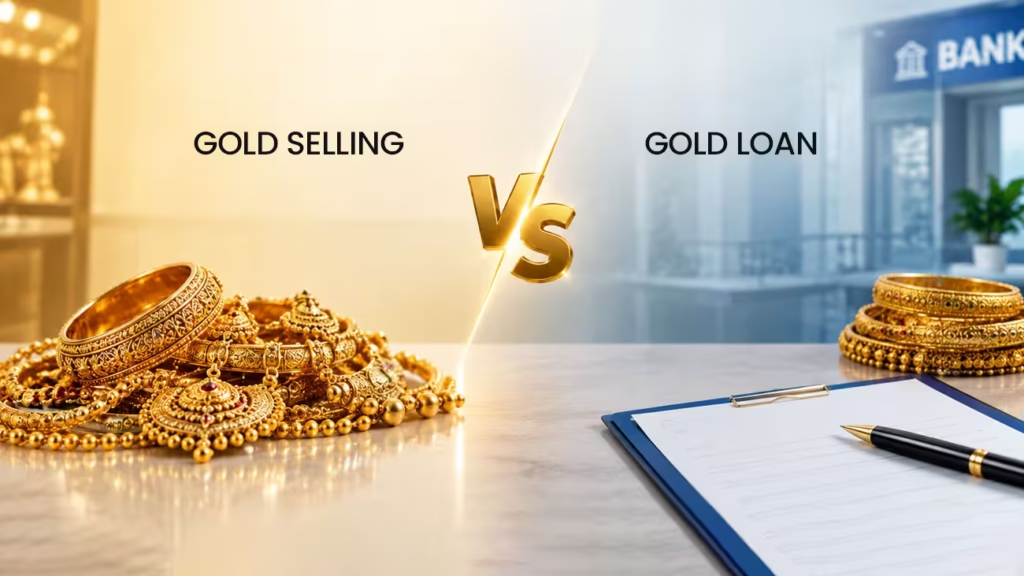
So, is selling gold better than taking a gold loan? The answer depends on your needs. However, if the gold is genuinely unused and you are comfortable parting with it, selling it can help you access its value without taking on another repayment obligation.
A gold loan and selling gold both help you arrange money, but they work differently.
With a gold loan, you pledge your jewellery as collateral. The lender evaluates the eligible value of the gold and provides a loan based on applicable regulations and lending terms. You retain ownership of the gold, but you must repay the loan along with interest and applicable charges.
When you sell gold, you transfer ownership of the gold and receive payment based on its assessed purity, weight and the applicable gold rate.
A gold loan can be useful for people who want to retain their jewellery and have a clear plan to repay the amount.
However, it is important to understand the complete financial commitment before taking one.
A gold loan is not the same as selling your gold.
The amount you receive depends on the lender’s valuation, the eligible gold content and applicable loan-to-value (LTV) requirements. This means the loan amount can be lower than the value of the gold you pledge.
So, before taking a loan, it is worth asking:
How much is my gold actually worth, and how much will I receive as a loan?
You should also consider how much you will eventually repay after interest and applicable charges.
For information on applicable lending requirements, refer to the RBI’s gold loan guidelines.
The money received through a gold loan has to be repaid.
Depending on the loan terms, you may have to pay interest and other applicable charges. If your financial situation becomes difficult, managing these repayments can create additional pressure.
Selling unused gold works differently.
You are converting an asset you already own into money. There is no loan amount waiting to be repaid and no interest accumulating over time.
When you take a gold loan, your jewellery remains pledged as collateral.
If you fail to repay according to the loan terms, the lender can initiate the applicable recovery process. Subject to regulatory requirements and the lender’s procedures, the pledged gold may eventually be auctioned.
The Reserve Bank of India has issued directions covering practices related to lending against gold, including requirements around the handling and auction of pledged gold. You can refer to the RBI’s requirements for lending against gold for more information.
For jewellery that has been passed down through generations, losing the gold can also mean losing something with emotional value.
Many families have gold that is rarely or never used.
It could be:
Instead of automatically thinking about borrowing against it, consider finding out what the gold is worth today.
Gold is an asset. Even if you no longer use a particular piece as jewellery, its gold content can still have financial value.
Getting the gold evaluated does not mean you have to sell it. It simply gives you information that can help you make a better decision.
You can start by getting a free gold valuation and understanding the value of what you own.
The value of gold jewellery is generally influenced by three main factors:
Purity indicates how much actual gold is present in the jewellery.
The weight of the gold being valued plays an important role in determining its value.
The market rate used at the time of valuation also affects the final amount.
A transparent gold buyer should clearly explain how your gold is tested, weighed and valued.
This is important because you should understand the valuation before deciding whether to sell.
This is one of the main reasons selling may be worth considering.
If you have gold that you no longer use, selling it allows you to convert an existing asset into money.
There is no need to:
However, selling means giving up ownership of the gold.
That is why the right choice depends on whether you genuinely want to keep the jewellery.
If the gold has strong sentimental value and you want to retain it, a loan may be an option to evaluate carefully.
But if it has been sitting unused for years, selling may offer a simpler financial alternative.
Before making a decision, ask yourself:
These questions can help you look beyond the immediate need for money and consider the long-term financial impact.
Selling gold is a financial decision, which makes choosing the right buyer important.
Before selling, you should know:
A trustworthy buyer should explain the process clearly rather than simply giving you a final number.
At HNS Gold, the focus is on making gold valuation transparent and easy for customers to understand.
HNS Gold offers free gold valuation and purity checking, allowing customers to understand the value of their gold before deciding whether to sell.
There is no need to make a decision without first knowing what your gold is worth.
HNS Gold uses advanced German-made XRF technology to assess gold purity.
The process is designed to be transparent, allowing customers to understand how their gold is being evaluated without melting the jewellery.
The valuation considers factors such as purity, net gold weight and the applicable gold rate.
Customers can understand how the valuation is arrived at before deciding whether to proceed with the sale. You can learn more about gold purity checking and HNS Gold’s valuation process.
Once the valuation is accepted and the transaction is completed, HNS Gold processes payment according to applicable procedures.
HNS Gold states that it has served more than 7 lakh customers and focuses on transparent valuation and customer trust.
The company’s approach is simple: help customers understand the value of their gold so they can make an informed decision.
The process is simple:
Bring your gold jewellery or other eligible gold items for evaluation.
Your gold is weighed and its purity is assessed using the available testing process.
The value is explained based on the purity, net gold weight and applicable gold rate.
You can review the valuation and decide whether selling is the right option for you.
If you choose to sell, complete the required process and receive payment according to applicable procedures.
A gold loan and selling gold serve different purposes.
A loan may be suitable when you want to retain your jewellery and have a clear ability to repay the amount. But if you have gold that has been sitting unused for years, selling it may help you unlock its value without taking on a new debt.
Before making either decision, start by understanding what your gold is actually worth.
At HNS Gold, you can get your gold evaluated transparently and then decide what works best for you.
Know your gold’s value. Then make the decision that’s right for you.
For a free gold valuation, visit your nearest HNS Gold branch or call 1800 212 5600.
It depends on your financial situation and whether you want to keep your gold. A gold loan allows you to retain ownership but creates a repayment obligation and interest cost. Selling unused gold converts the asset into money without creating a loan. If you no longer need the gold, selling may be a simpler option.
No. A gold loan does not necessarily provide the entire value of the gold pledged. The amount depends on the lender’s valuation, eligible gold content and applicable loan-to-value requirements. Interest and other applicable charges may also add to the overall cost of borrowing.
If a gold loan is not repaid according to its terms, the lender can initiate the applicable recovery process. Subject to regulatory requirements and the lender’s procedures, the pledged gold may eventually be auctioned. Borrowers should understand these terms before pledging their jewellery.
The value of old gold is generally determined by factors such as its purity, net gold weight and the applicable gold rate. A transparent gold buyer should explain the testing, weighing and valuation process clearly before you decide whether to sell.
Yes. You can have your gold’s purity, weight and estimated value checked before deciding whether to sell. HNS Gold provides free gold valuation and purity checking, allowing customers to understand their gold’s value before making a decision.
Yes. Old or broken gold jewellery can generally be evaluated based on its actual gold content, purity and net weight. The condition or design of the jewellery does not by itself determine its gold value. HNS Gold states that it buys old and broken gold jewellery after evaluating its purity and weight.
What to Do With Silver Sitting at Home? A Simple Guide to Sell Unused Silver Silver has always had a…
Monthly Gold Investment Plan: A Smarter Way to Plan Your Gold Purchase Gold has always been an important part of…
Selling Gold vs Gold Loan: Which Is a Better Option? Many Indian households have gold sitting unused at home. It…